

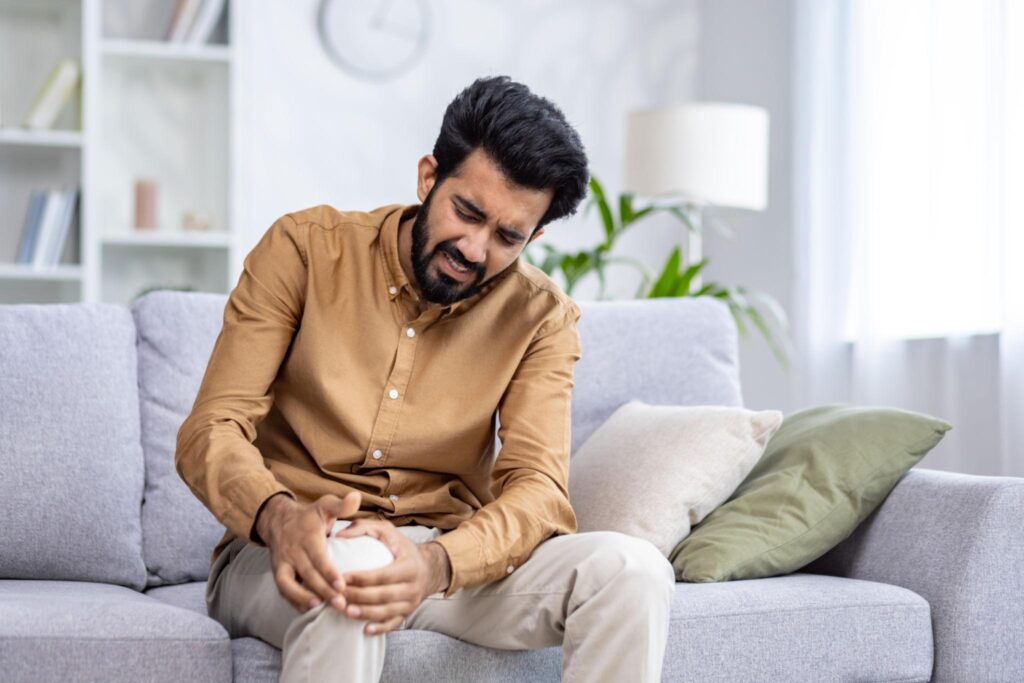
Arthritis and Allied Disorders
The following conditions fall under the arthritis and allied disorders category:
- Osteoarthritis
- Cervical Spondylosis
- Lumbar Spondylosis
- Frozen Shoulder
- Polyarthritis
- Cervical and Lumbar Neuralgia
The medicines described in this protocol are prepared based on Ayurvedic principles with modern parameters. The source describes these formulations as clinically evaluated for safety and efficacy.
This protocol is intended for internal circulation and has been developed to address the needs of modern society. Conventional formulations are not included except for a few.
Formulation Approach
Although these modern Ayurvedic formulations are based on contemporary parameters, Ayurvedic values and scientific concepts are adhered to during manufacturing.
For example, Kashayam is converted into tablets, capsules and syrups by following the basic principles of Kashayam preparation before applying modern techniques and equipment for further modifications.
In osteoarthritis, the source states that although damaged cartilage cannot be reversed with medication, improvements in synovial fluid consistency may help relieve symptoms such as pain, oedema and difficulty walking.
Along with anti-inflammatory formulations, antioxidants are described as playing an important role in joint disorders. Relife Tablets are included in this protocol as an antioxidant formulation.
This protocol combines traditional Ayurvedic principles with modern concepts.
Treatment Efficacy and Duration
According to the supplied protocol, the duration of treatment varies depending on the condition.
Acute Conditions
The source describes a treatment period of 2 to 3 months for acute conditions.
Chronic Conditions
Chronic conditions are described as requiring 6 months to 1 year for meaningful results.
The protocol reports clinical monitoring of patients using tablets alone without conventional Kashayam. For severe and acute conditions, it describes combining Kashayam and tablets as more effective.
Patient Education
The supplied protocol emphasises educating patients about the continuous use of Ayurvedic preparations and their safety and efficacy in comparison with modern medicine.
In conditions such as osteoarthritis of the knee and hip, cervical and lumbar spondylosis, Panchakarma procedures are also discussed as relevant treatment options.
The source describes Panchakarma treatments as potentially helping strengthen joints and address issues such as:
- Canal stenosis
- Nerve root impingement
- Thecal sac indentation
- Broad-based disc bulge
- Joint arthropathy
Panchakarma Treatment
The supplied protocol recommends Panchakarma treatments yearly or biannually alongside medications.
It states that immediate radiological changes may not be observed, while improvements may become apparent after 6 months.
Medicines and Dosages
The following medicines, described as Kashayam-based tablets in the supplied protocol, are listed for use in clinical practice. The source specifies a minimum period of 3 months for visible changes in these degenerative disorders.
Orthonervin Tablets / Orthoherb Tablets
Dosage stated in source: 2-2-2
Ortho M20 Tablets
Dosage stated in source: 1-1-1
Relife Tablets
Dosage stated in source: 2-2-2
Dosage clarification: The source describes a total of 5 tablets, three times daily, for a minimum of 3 months, with adjustments according to disease severity and duration.
Oils Preferred
- Orthoherb Oil
- Orthonervin Oil
- Himasagara Tailam
- Karpooradi Tailam
- Murivenna
- Kottamchukkadi Tailam
- Orthoherb Cream
Kashayams (Optional)
- Kandakari Kashayam (Powder and prepared)
- Rasneirandadi Kashayam
- Ashtavargam Kashayam
Panchakarma Treatment Schedules
7-Day Program
- Udhwarthanam: 7 days
- Abhyangam with Himasagara Tailam: 7 days
- CPS with Kottamchukkadi: 7 days
- SV-2, KV-1
14-Day Program
- Udhwarthanam: 7 days
- Abhyangam: 14 days
- CPS: 14 days
- SV and KV: 5 to 7 days preferred
21-Day Program
- Udhwarthanam: 14 days
- Abhyangam: 21 days
- CPS: 14 days
- SPS: 7 days
- SV and KV: 7 to 10 days preferred
Post-Treatment Care
Upon discharge, the supplied protocol advises 2 to 3 months of medication depending on the condition.
The source describes notable improvement immediately after treatment.
