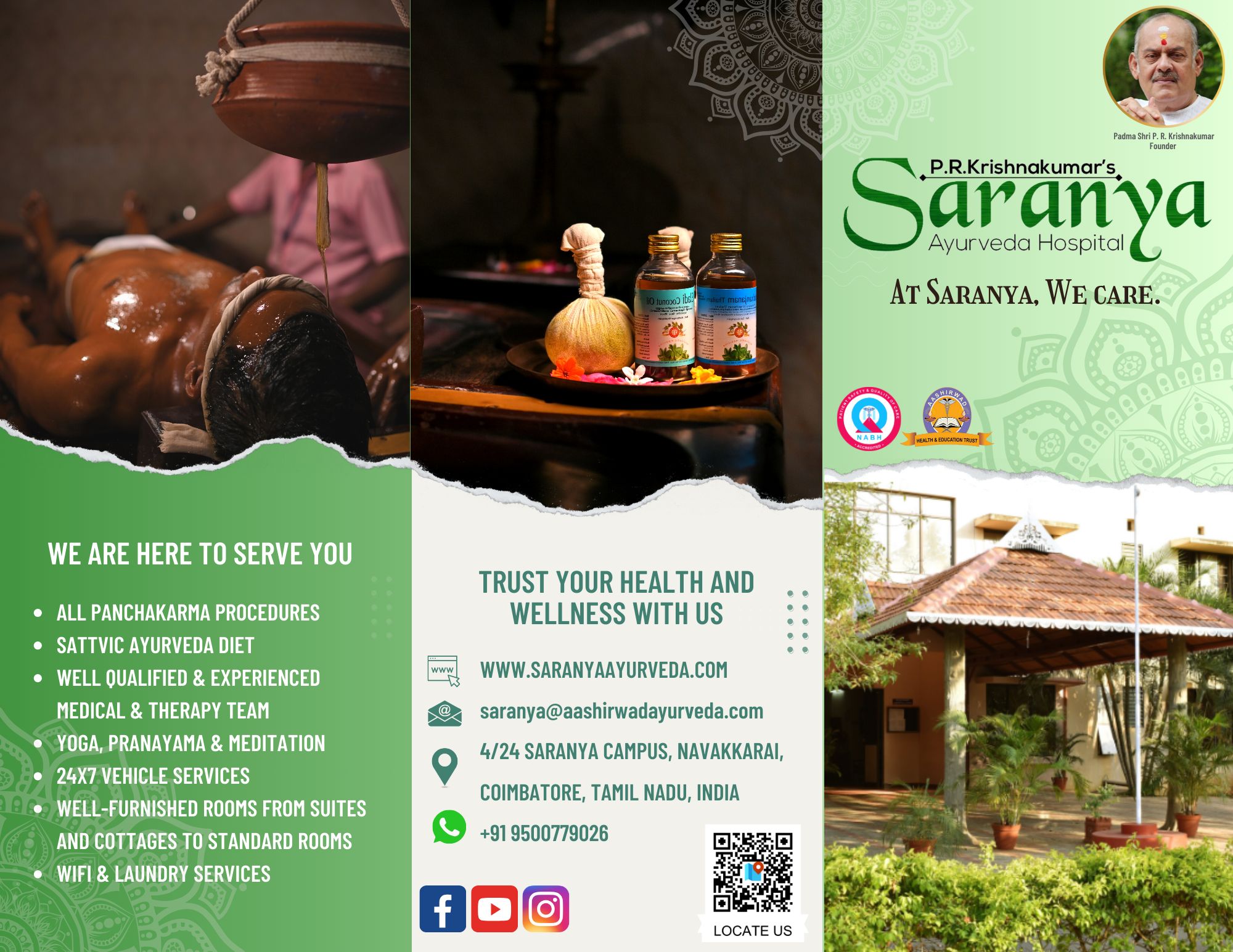

Saranya Ayurveda Hospital was established by Padmasri Dr. P. R. Krishnakumar, a renowned figure in the field of Ayurveda, who has passionately dedicated himself to promoting the ancient science of healing and wellness. At its core is Saranya Ayurveda Hospital, stands as a beacon of holistic wellness and Ayurvedic excellence – a renowned NABH-accredited institution offering authentic and traditional Ayurvedic treatments. Supporting its mission is the Aashirwad Health and Education Trust, driving healthcare advancements and educational initiatives.
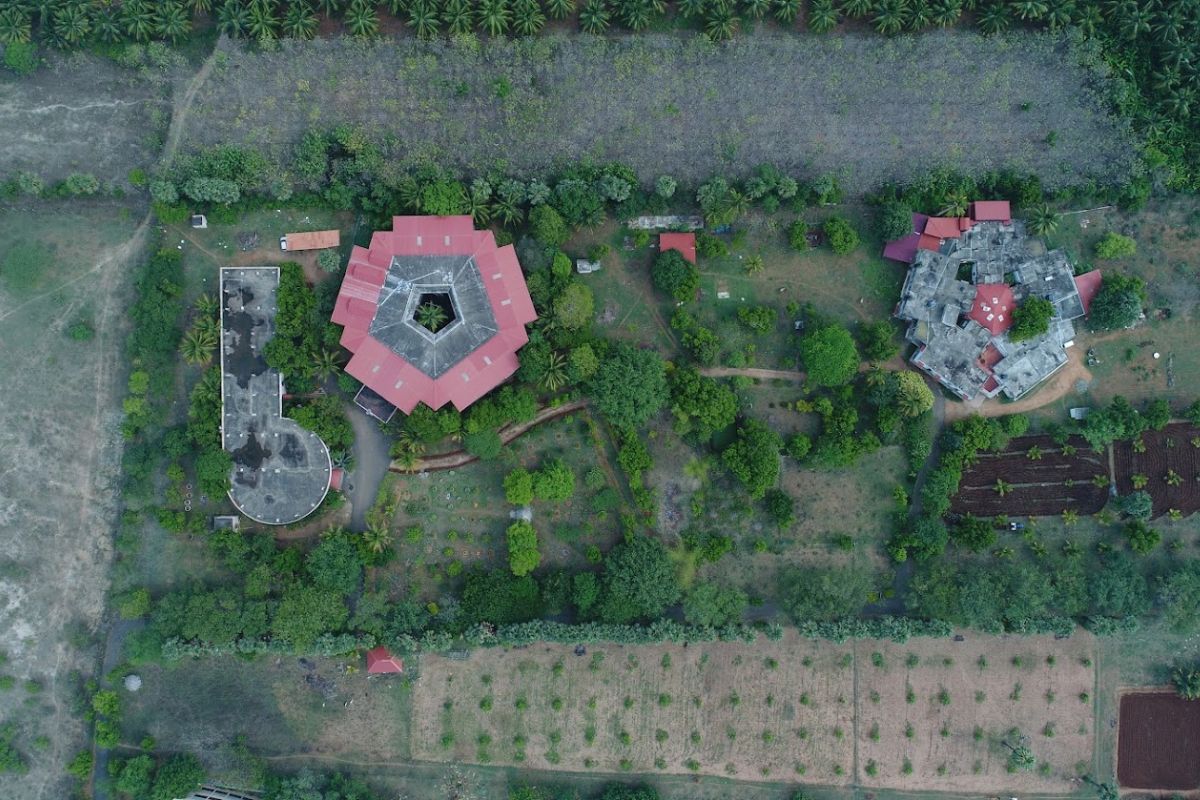
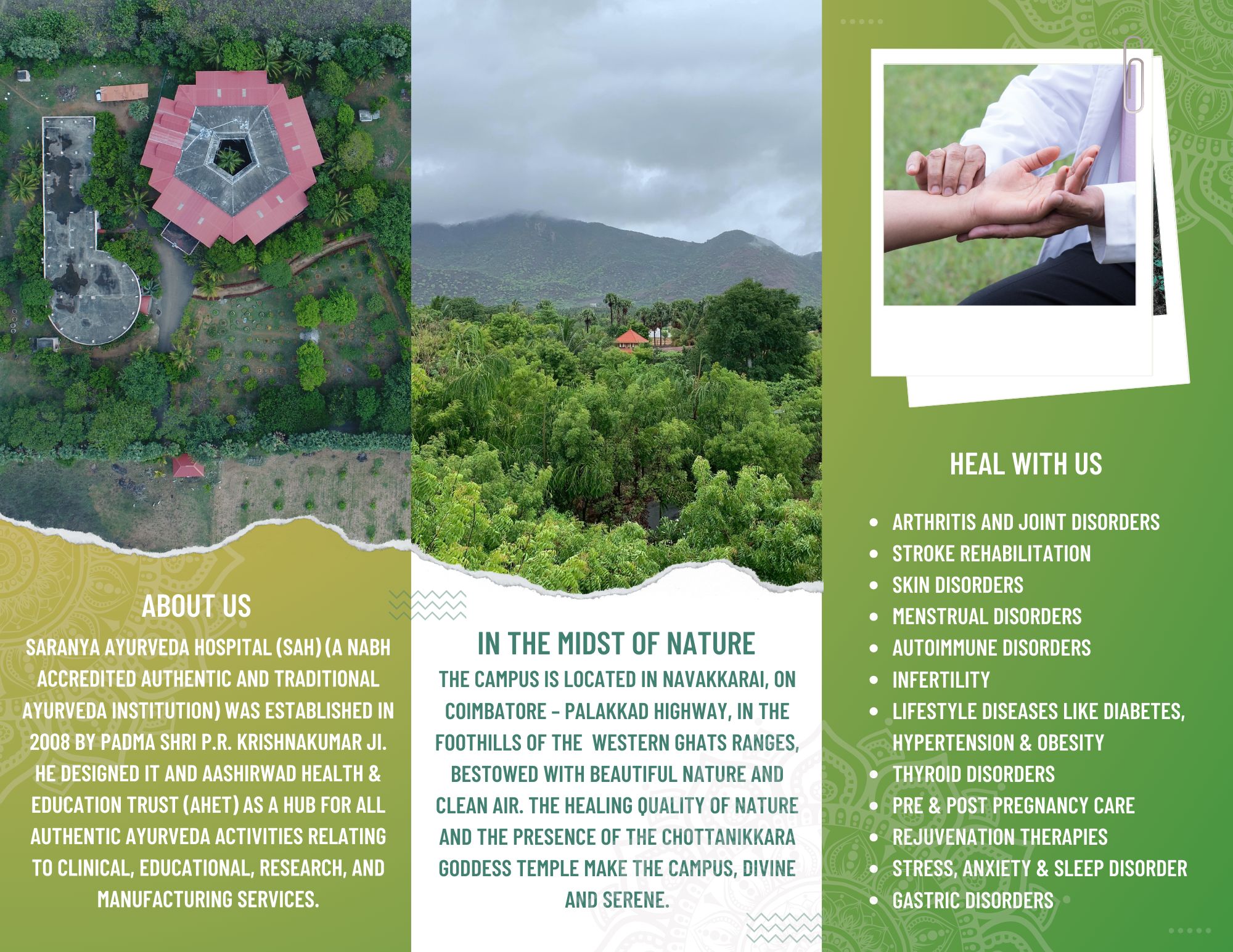
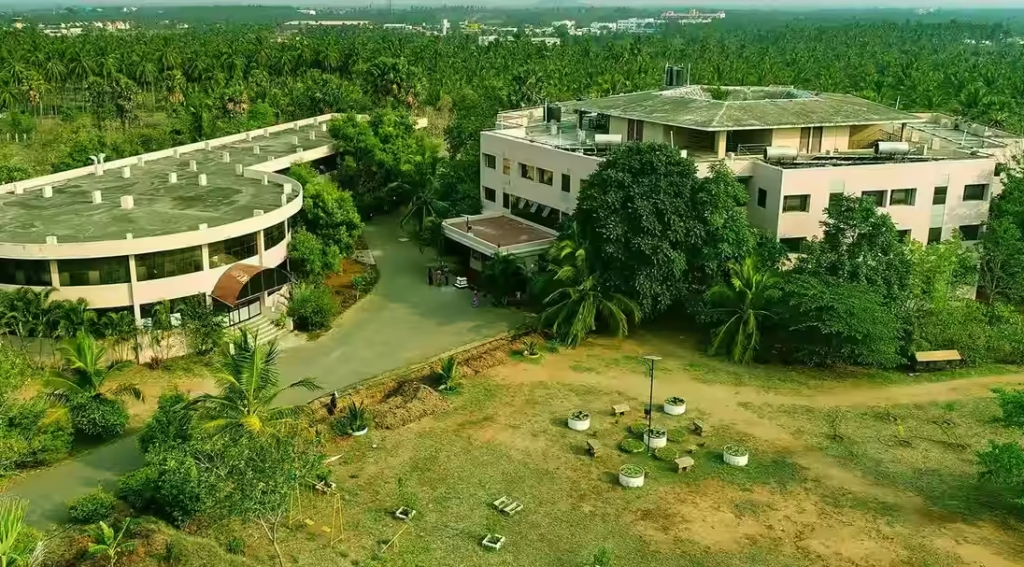
Saranya Ayurveda Hospital is an esteemed institution accredited by NABH (National Accreditation Board for Hospitals & Healthcare Providers). It operates under the auspices of Aashirwad Health and Educational Trust, embodying authentic and traditional Ayurvedic treatments. Nestled in the scenic landscape of Navakkarai, along the Coimbatore-Palakkad Highway, the hospital is graced with the pristine beauty of the Pooluvapatty ranges in the Western Ghats, offering a rejuvenating environment with clean air and natural serenity.
With 66 well-appointed rooms ranging from standard accommodations to suites, Saranya Ayurveda Hospital provides comprehensive care. Patients benefit from consultations with expert Vaidyas (Ayurvedic physicians), traditional Kerala Ayurveda therapies, specialized Panchakarma treatments, Ayurveda diet prescribed by physicians, rejuvenating Yoga and Meditation sessions, and other tailored activities.
The hospital’s idyllic location amidst the lap of nature immerses patients in the tranquility of their surroundings, with the calming presence of pristine air and the gentle rustling of leaves. From the moment you step foot on the premises, nature itself embraces and initiates your healing journey.
Treatments
The treatment plan for a patient is chosen after a detailed case taking, examination, and deliberation by the physician/medical team. Every treatment doesn’t suit or is needed by everyone. The optimum therapy, when done rightly, restores the health and preserves the strength of an individual.
Ayurveda affirms the most fruitful result with judicious choices or combinations of the time tested therapies of shodhana (Detoxification), Shamana (Palliative therapies) & Rasayana (Rejuvenation). Sodhana therapies are also known as Panchakarma. These detox treatments require preparative (purva karma) and restorative (paschat karma) before and after it respectively.
Puravakarma
Purvakarma is the first set of actions that are taken ahead of the Panchakarma therapy and may last for three to seven days. At this stage, the body is prepared for eliminative treatment by loosening the toxins and increased doshas in the body.
The cause of diseases is amam, or undigested toxins that get formed in the system due to external factors, and spread to different parts of the body. Through Purvakarma these toxins are channelized and collected for easy removal at the Pradhanakarma stage.
Important Purvakarma techniques regularly used across the Pentads of Panchakarma are Pachana (digestion), Snehana (oleation), and Swedana (sudation). They prepare the body for detoxification and revitalization. Panchakarma treatment is impossible without Purvakarma.
Snehapanam
Snehapanam is a significant therapeutic procedure in Ayurveda that involves the oral administration of medicated oils or ghee (clarified butter). This procedure aims to enhance digestion, promote detoxification, and rejuvenate the body. During Snehapanam, the patient ingests specific quantities of medicated oils or ghee, which are carefully chosen based on their therapeutic properties. These substances penetrate deep into the tissues, lubricating and nourishing them.
Snehapanam is known to facilitate the elimination of toxins, improve metabolism, and enhance the absorption of nutrients. It also helps balance the doshas (energetic forces) within the body, promoting overall well-being. Snehapanam is often used as a preparatory step for various Ayurvedic treatments and is beneficial for conditions like digestive disorders, skin diseases, joint problems, and detoxification. However, it should be performed under the guidance of qualified Ayurvedic practitioners to ensure safe and effective results.
Abhyangam
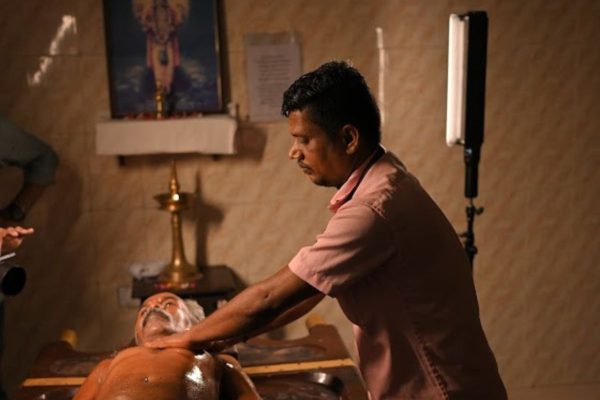
Abhyangam is a popular Ayurvedic therapy that involves a full-body massage using medicated oils. This ancient healing practice aims to promote physical, mental, and emotional well-being. During Abhyangam, skilled therapists perform rhythmic and synchronized strokes on the body, stimulating circulation, enhancing lymphatic drainage, and relaxing the muscles. The warm herbal oils used in Abhyangam deeply nourish the tissues, rejuvenate the skin, and provide a sense of deep relaxation and rejuvenation.
This therapy is known to alleviate stress, promote detoxification, improve sleep quality, enhance flexibility, and boost overall vitality. Abhyangam is tailored to individual needs, considering their dosha (body constitution) and specific health concerns. It is performed by trained therapists who apply the right amount of pressure and techniques to restore balance and harmony within the body.
Pizhichil
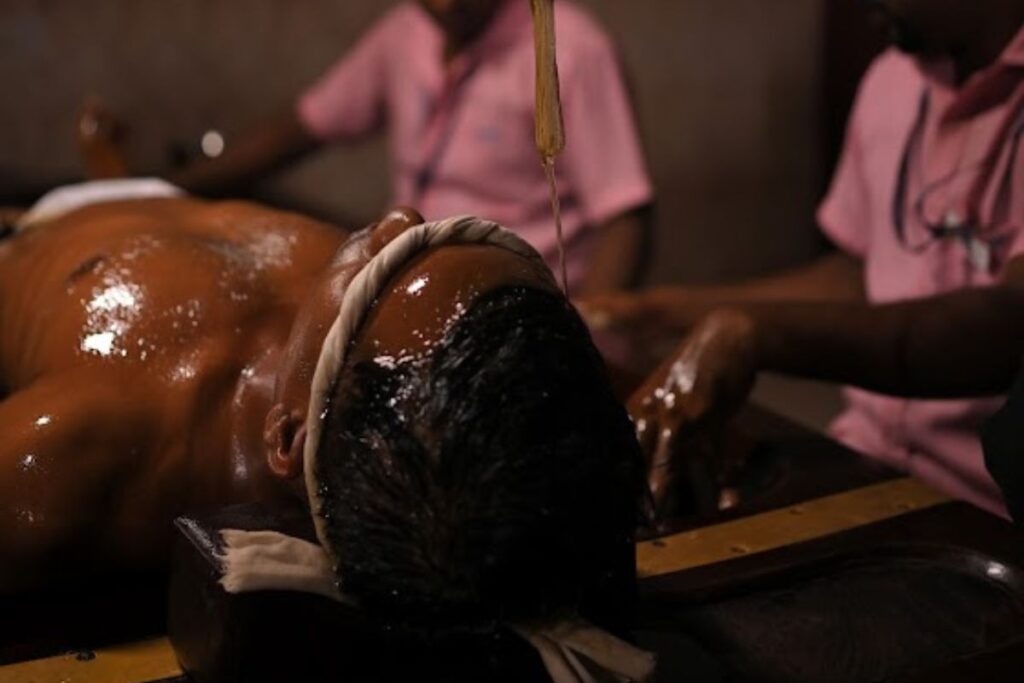
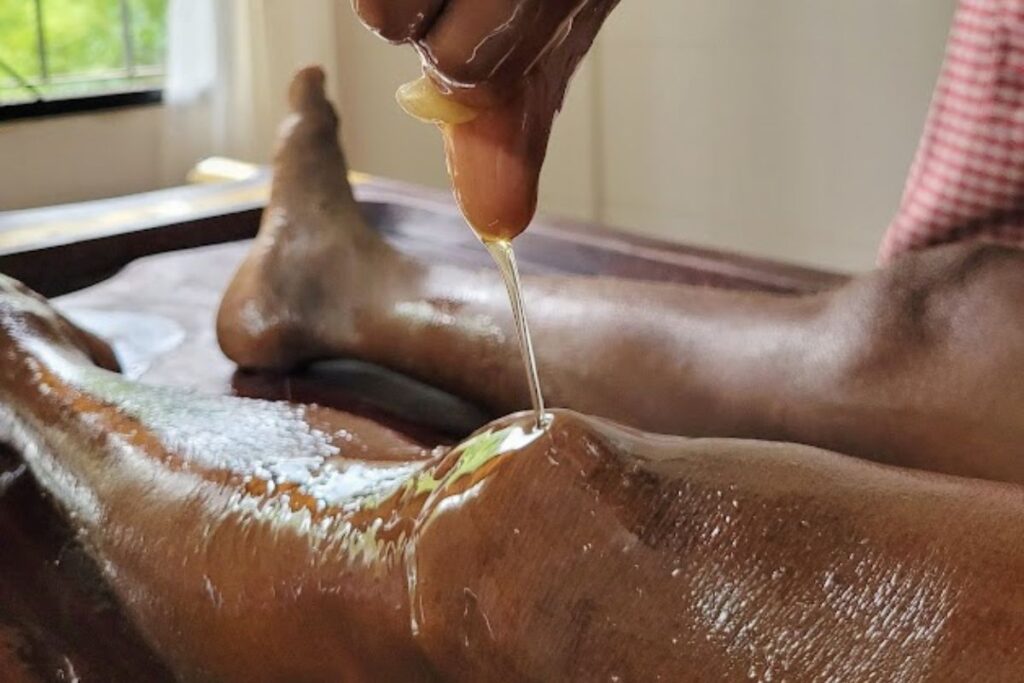
Pizhichil is a unique and highly revered Ayurvedic therapy known for its therapeutic benefits. It involves the continuous pouring of warm medicated oil over the body, accompanied by gentle massage. This treatment is designed to promote relaxation, nourishment, and rejuvenation. The warm oil penetrates deep into the tissues, helping to improve blood circulation, relieve muscle tension, and nourish the skin. Pizhichil is particularly beneficial for conditions like arthritis, neurological disorders, muscle stiffness, and general fatigue.
The gentle and rhythmic movements during the therapy induce a sense of deep relaxation, reducing stress and anxiety. Pizhichil is performed by trained therapists who carefully select the appropriate oils and maintain a constant temperature throughout the procedure, ensuring a safe and effective experience for the patient.
Kizhi
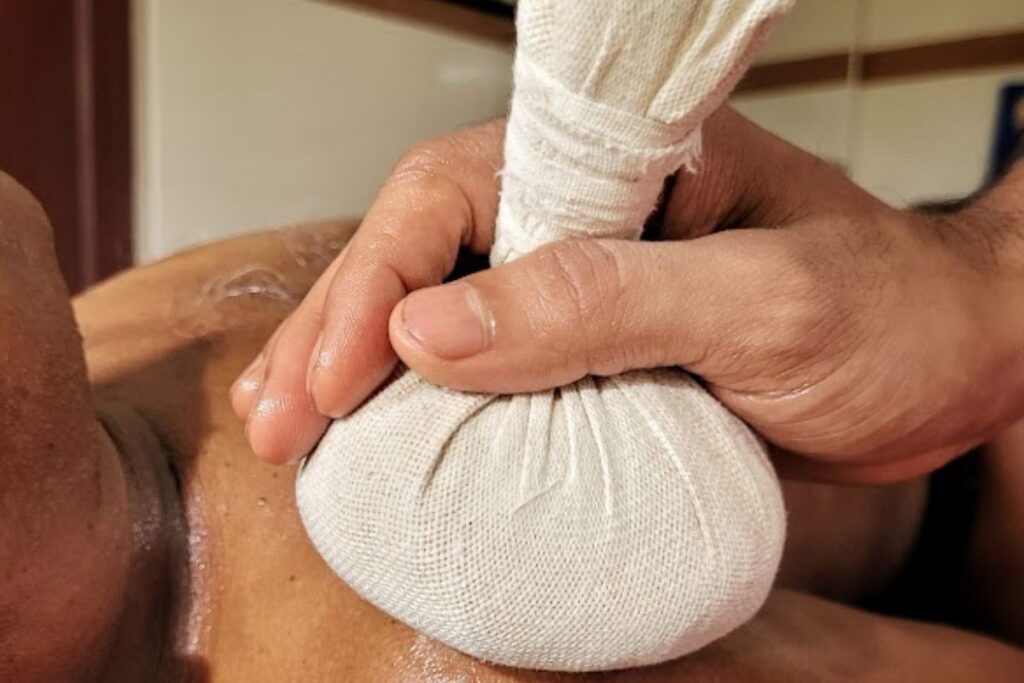
Kizhi is a renowned Ayurvedic treatment that utilizes herbal poultices to address various health conditions. The word “Kizhi” translates to “bundle” in Malayalam, referring to the cloth bags filled with medicinal herbs, leaves, powders, or rice used in this therapy. The poultices are heated in herbal oils and applied to specific areas of the body, facilitating localized sweating and promoting the absorption of herbal properties.
The therapeutic heat and active herbal ingredients work together to alleviate pain, reduce inflammation, improve joint mobility, and enhance blood circulation. Kizhi is commonly used to treat musculoskeletal disorders, arthritis, sports injuries, and certain neurological conditions. This treatment is performed by trained therapists who customize the herbal ingredients based on the patient’s specific needs, ensuring optimal therapeutic benefits.
Dhara
Dhara when performed all over the body with warm medicated liquids, is a form of sudation. The liquid is frequently warmed and is poured on the entire body from a certain height by 2 or 3 therapists. The procedure is continued for 45 -50 mins. It is usually done to reduce stiffness, pain, swellings etc
Panchakarma
In Ayurveda, Any activity or approach which alleviates or destroys a disease is called Chikitsa. That is, any ‘disease destroying approaches’ are called Chikitsa.
All those activities or approaches or methods through which the doshas, dhatus and malas of the body revert back to the stage of their normalcy (equilibrium) by losing their morbidity are called Chikitsa.
Panchakarma therapy is considered a complete, holistic approach to the elimination of the root cause of each and every chronic disease. Panchakarma is the ultimate mind-body healing experience for detoxifying the body, strengthening the immune system, and restoring balance and wellbeing.
Paschat Karma
The post-eliminative therapy regimen in Ayurveda consists of a number of procedures tailored to restore the strength of the patient and to rejuvenate them after the strenous panchakarma procedures. Paschatkarma is as important as the other stages of therapy as the treatment remains incomplete without paschatkarma. Along with providing relief and recovery, preventing the recurrence of the disease is also an important goal of this leg of treatment.
Paschatkarma can follow the treatment immediately, like dhoomapana (medicated smoke inhalation) after vamana or it can be diet and lifestyle changes conducive to healing, like Peyadi krama after sodhan therapies. Paschatkarma helps patients reintegrate with the outside world slowly, by making them take ample rest, abstain from overly decadent meals, and follow a strict exercise regimen. Based on body composition and ailment, each patient is given a unique combination of chosen therapies with herbal concoctions that aid healing, medical guidance, instructions for the exercise, dietary, and lifestyle changes. If these treatment guidelines are not followed properly, impurities can easily infiltrate the system again.
Tarpanam and Putapakam
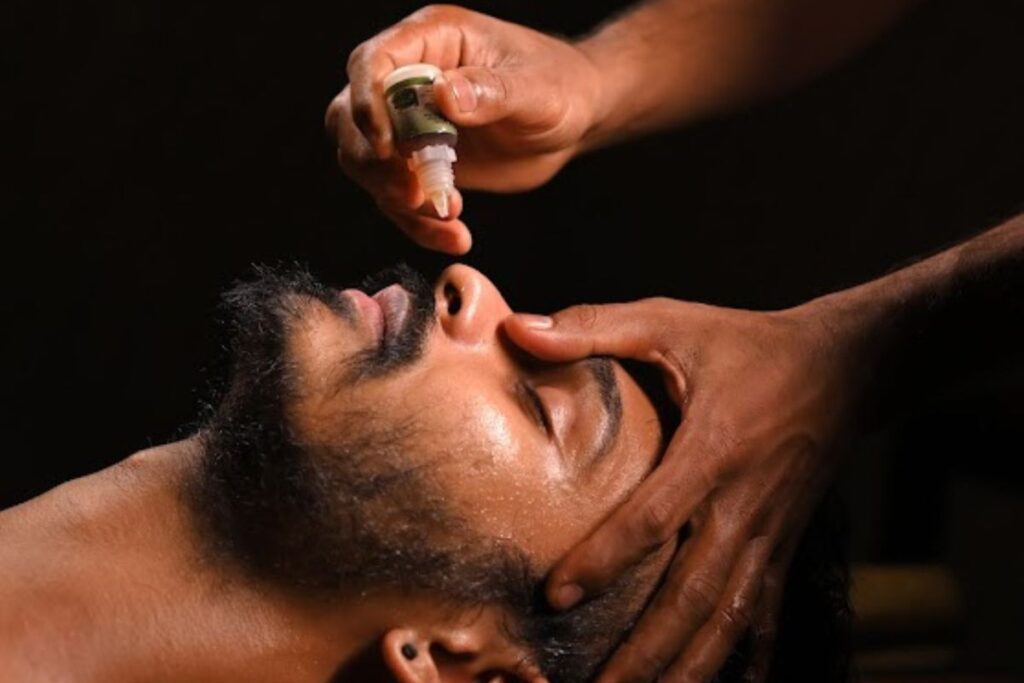
Tarpanam and Putapakam are two essential Ayurvedic treatments that focus on the eyes’ health and rejuvenation. These therapies play a vital role in improving vision and preventing eye disorders.
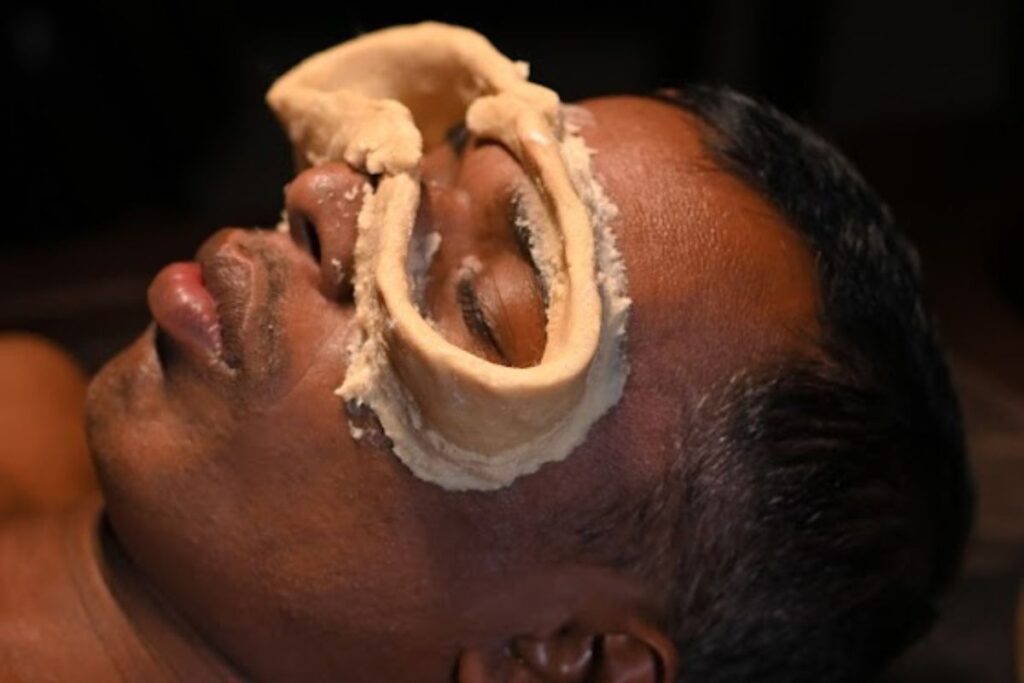
- Tarpanam is an Ayurvedic treatment where medicated ghee is applied around the eyes in a specially designed well created using black gram paste. The ghee is retained in the well for a specific duration. This therapy helps in nourishing and lubricating the eyes, reducing eye strain, and relieving dryness. It also assists in managing various eye conditions like eye fatigue, conjunctivitis, and computer vision syndrome.
- Putapakam, on the other hand, involves the application of herbal pastes or medicated dough rings around the eyes. These rings are made using specific Ayurvedic herbs with medicinal properties. The rings are placed around the eyes and filled with warm medicated oils or ghee. This treatment provides deep nourishment to the eye tissues, helps in reducing eye strain, and promotes better vision.
Ishtika swedanam
Swedanam, or therapeutic sweating, is a vital Ayurvedic procedure used for detoxification, pain relief, and improving circulation. When performed using a steam box (Bashpa Sweda), the entire body—except the head—is exposed to herbal steam, promoting deep tissue relaxation and toxin elimination. This therapy is especially effective in reducing stiffness, inflammation, and excess Kapha and Vata doshas. As the body absorbs the warmth, it enhances blood flow, opens the pores, and promotes sweating, helping to expel metabolic toxins (Āma). It also softens the muscles and joints, making it beneficial for conditions like arthritis, muscle spasms, and chronic pain.
Swedanam with a steam box is commonly used before Panchakarma procedures like Vamana and Virechana, as it helps loosen deep-seated toxins. This therapy is particularly effective when combined with Abhyanga (oil massage), allowing deeper penetration of medicinal oils and enhancing overall therapeutic benefits.
Swedana is contraindicated in Pitta-aggravated conditions like gastritis, hyperacidity, IBS with diarrhea, skin rashes, eczema, and psoriasis, as heat worsens inflammation. It should also be avoided in general tiredness, weakness, and fainting, as excessive sweating can cause dehydration and energy depletion, aggravating symptoms instead of providing relief.
Lepam
Lepam is an Ayurvedic herbal paste application that is widely used to treat various skin conditions. The treatment involves the application of a medicated paste to the affected area, which is kept for a specific duration and then removed.
Ayurvedic practitioners customize the herbal paste according to the individual’s condition, using a combination of herbs with potent healing properties. The paste is carefully prepared and applied to the skin, where it acts on the affected tissues and helps in the rejuvenation of the skin cells.
Lepam is known to be effective in managing skin conditions such as eczema, psoriasis, acne, and other inflammatory skin disorders. The anti-inflammatory and antimicrobial properties of the herbs used in the paste contribute to the treatment’s success.
Karnapooranam and karnadhoopanam
Karnapooranam and Karnadhoopanam are two important Ayurvedic treatments that focus on ear health and wellbeing.
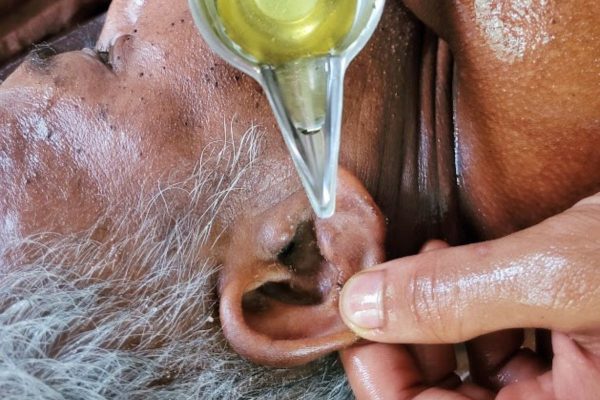
Karnapooranam is the process of applying medicated oils to the ears. A small quantity of warm medicated oil is gently poured into the ear canal and allowed to remain there for a few minutes. This treatment helps in removing earwax, improving hearing, and alleviating ear-related discomforts.
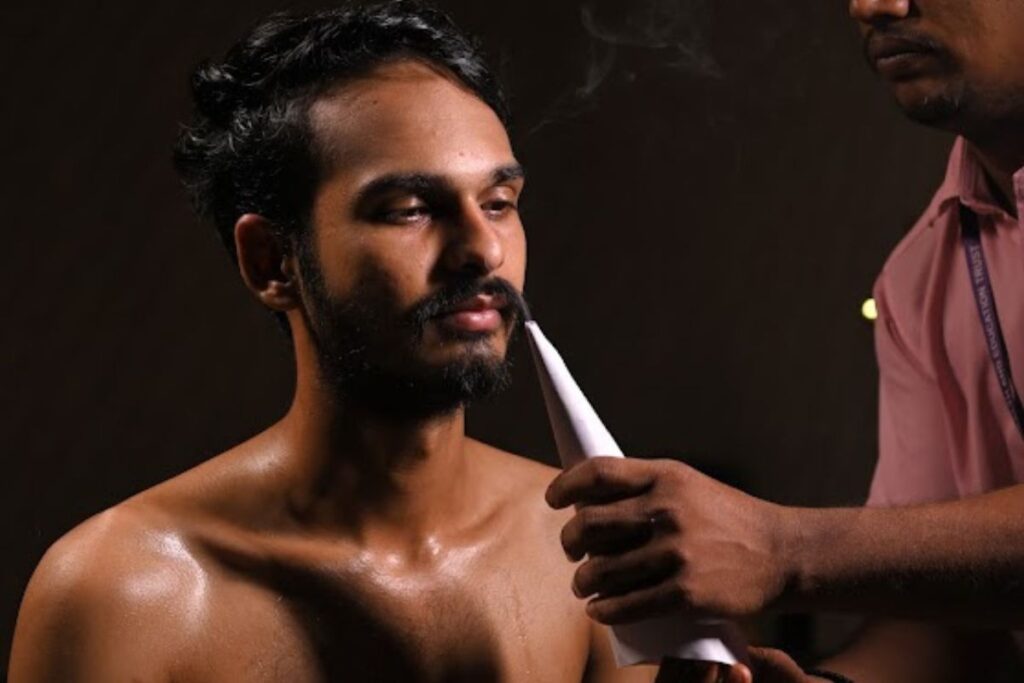
Karnadhoopanam on the other hand, involves the fumigation of the ear canal using herbal fumes. A cone-shaped structure made of dough is placed around the ear, and medicinal smoke is directed into the ear canal. This therapy helps in balancing the ear’s doshas (energetic forces) and is especially beneficial for managing conditions like tinnitus, earaches, and ear infections.
Sirovasthy
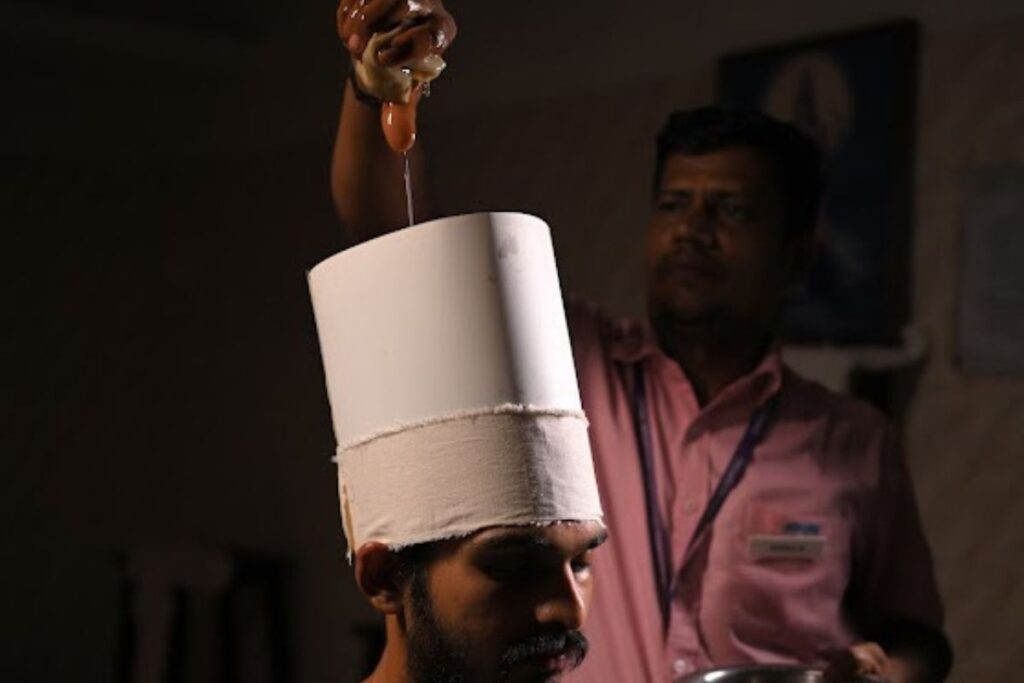
Sirovasthy is a deeply relaxing and therapeutic Ayurvedic treatment that focuses on the head and scalp. In this procedure, a specially crafted cap made of leather or cloth is placed on the head, and a dough ring is created around it to prevent oil leakage.
Warm medicated oil is poured into the cap, and it is kept on the head for a specific duration. The oil penetrates deeply into the scalp, nourishing the hair roots and soothing the nervous system. Sirovasthy is highly effective in managing conditions like headaches, migraines, insomnia, and stress-related disorders.
Local vasthys
Local Vasthy treatments are effective in providing relief to specific areas of the body and are often used as complementary therapies alongside other Ayurvedic treatments. They are tailored to the individual’s unique condition and can be combined for enhanced benefits.Local Vasthy treatments are localized applications of medicated oils or herbal pastes to specific regions of the body.