

Overview
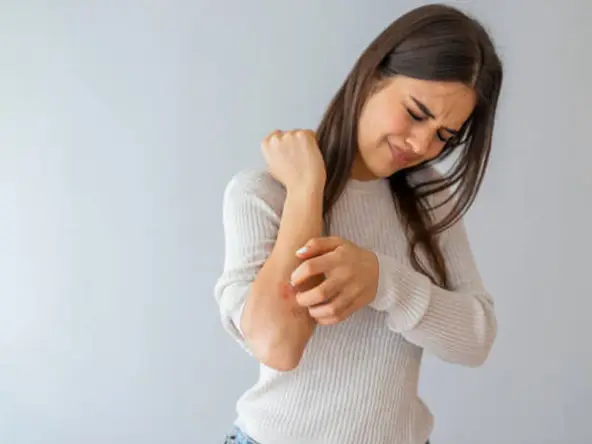
Psoriasis is a chronic inflammatory skin disorder characterized by itchy, scaly patches commonly affecting the scalp, elbows, knees, and trunk. It is an immune-mediated condition in which skin cells grow faster than normal, leading to thickened plaques and scaling. The disease varies in severity and presentation among individuals.
Types of Psoriasis
- Plaque Psoriasis: Raised red patches covered with silvery scales.
- Guttate Psoriasis: Small, drop-shaped lesions, often following infections.
- Inverse Psoriasis: Smooth red lesions in skin folds.
- Pustular Psoriasis: Presence of pus-filled blisters.
- Nail Psoriasis: Nail pitting, discoloration, and thickening.
- Erythrodermic Psoriasis: Severe form with widespread redness and scaling.
Causes (Nidana)
- Immune system dysfunction
- Genetic predisposition
- Infections
- Psychological stress
- Cold climate
- Certain medications
Signs and Symptoms
- Red or purplish patches with silvery or greyish scales
- Dry, cracked skin that may bleed
- Itching, burning, or soreness
- Thickened or ridged nails
- Patchy rash varying in color depending on skin type
- Periods of remission and flare-ups
Diagnosis
- Clinical examination
- Detailed medical history
- Skin biopsy in selected cases
Ayurvedic Perspective
In Ayurveda, psoriasis is described under Kushta Roga, involving vitiation of Vata and Kapha Dosha along with the involvement of Rakta Dhatu. Accumulation of toxins (Ama), improper diet, and lifestyle factors contribute to the manifestation of the disease.
Ayurvedic Treatment Approach
- Dietary modifications (Pathya-Apathya)
- Internal herbal medications
- External therapies using medicated oils and pastes
- Panchakarma Therapy as the main line of treatment:
- Vamana (therapeutic emesis)
- Virechana (therapeutic purgation)
- Basti (medicated enemas)
- Raktamokshana (bloodletting), when indicated
These treatments help detoxify and purify the body, reduce inflammation, and rejuvenate skin cells.
Supportive Lifestyle Measures
- Following an appropriate Ayurvedic diet
- Avoiding triggers such as stress and infections
- Regular physical activity and yoga
- Adequate sleep and rest
- Maintaining skin hygiene
- Stress management practices
