
Overview
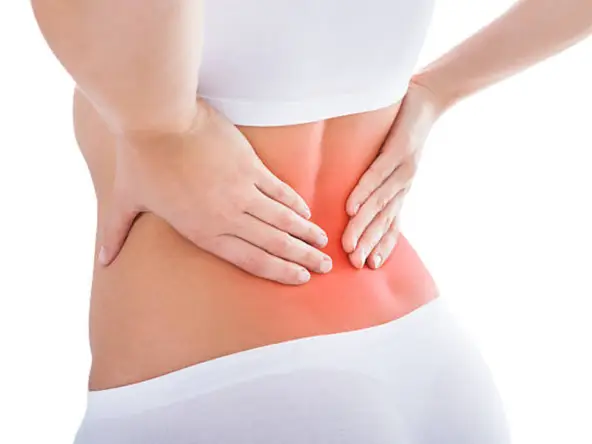
Lower back pain is a very common musculoskeletal complaint that can occur due to strain or injury to muscles, ligaments, or tendons. Other contributing factors include disc injuries, structural abnormalities of the spine, and systemic conditions such as atherosclerosis. The condition often improves with rest, physical therapy, and appropriate medications. Maintaining a healthy body weight and staying physically active can significantly reduce the risk of developing low back pain.
Types of Low Back Pain
- Acute Low Back Pain: Sudden onset pain lasting for a short duration, often due to strain or injury.
- Chronic Low Back Pain: Pain persisting for more than three months, commonly associated with degenerative or structural causes.
Causes (Nidana)
- Muscle strains and ligament sprains
- Disc problems such as herniation or degeneration
- Fractures
- Structural abnormalities like scoliosis or spondylolisthesis
- Arthritis
- Spinal tumors, infections, or certain types of cancer
Risk Factors
- Advancing age (commonly above 30 years)
- Overweight and obesity
- Poor overall physical fitness and weak abdominal muscles
- Occupations involving heavy lifting, bending, or prolonged sitting
- Structural spinal disorders
- Family history of osteoarthritis or other systemic diseases
- Psychological factors such as stress, anxiety, and depression
Symptoms
- Sudden or gradual onset of pain
- Sharp or dull aching pain in the lower back
- Pain radiating to the buttocks or down the legs (sciatica)
- Stiffness and reduced flexibility
- Muscle spasms
- Postural difficulties
- Difficulty in walking, sleeping, working, or performing daily activities
Diagnosis
- Spine X-ray
- MRI
- CT scan
- Electromyography (EMG)
Ayurvedic Perspective
According to Ayurveda, lower back pain (Kati Shoola) primarily arises due to aggravation of Vata Dosha. Improper posture, overexertion, trauma, faulty dietary habits, and mental stress contribute to Vata imbalance, leading to pain, stiffness, and restricted movement.
Ayurvedic Treatment Approach
- Abhyanga (therapeutic oil massage)
- Swedana (sudation therapy)
- Shamana therapies for Vata pacification
- Nidana Parivarjana (avoidance of causative factors)
These therapies help relieve pain, reduce stiffness, improve circulation, and restore musculoskeletal balance.
Supportive Lifestyle Measures
- Maintaining a healthy body weight
- Regular stretching and strengthening exercises
- Correct posture during sitting, standing, and lifting
- Avoiding excessive strain and prolonged inactivity
- Stress management through yoga and relaxation practices
